9 Best Manual Espresso Machine: Picks & Buying Guide 2025
Why Choose a Manual Espresso Machine in the Age of Automation?
Picture this: It’s early morning, the world’s still quiet, and you’re standing in your kitchen about to create something beautiful. Not with a button press, but with your own two hands. That’s the magic of a manual espresso machine – it transforms your coffee ritual from a mundane task into a meditative practice, a moment of pure presence.
In our hyper-automated world, there’s something deeply satisfying about taking control. When you pull that lever or press down on that piston, you’re not just making coffee – you’re connecting with a tradition that goes back decades. You’re the artist, the scientist, and the craftsperson all rolled into one. Every variable is yours to command: the pressure, the pre-infusion, the extraction time. This isn’t just convenience; it’s coffee enlightenment.
Defining “Manual”: The Purest Form of Espresso Brewing
So what exactly makes an espresso machine “manual”? Think of it as the acoustic guitar of the coffee world – no fancy electronics, just pure mechanical beauty. A manual espresso machine is a traditional coffee-making device that relies on good old-fashioned muscle power to work its magic.
Here’s the deal: instead of motors and pumps doing the heavy lifting, you generate the pressure yourself through a lever, piston, or pump mechanism. The key principle is user-generated pressure—typically between 6 to 9 bars – that forces hot water through your finely-ground coffee. The result? Authentic, concentrated espresso crowned with that gorgeous layer of crema that tells you everything went right.
It’s coffee in its most honest form, where your skill and intuition matter more than any microchip ever could.
Our Top Picks at a Glance
Before we dive deep, here’s a quick snapshot of the best manual espresso machines that caught our eye this year:
| Machine Name | Best For | Standout Feature | Rating |
|---|---|---|---|
| Quick Mill Achille | Power Drinkers/Prosumer | Only 5.0-star rating; E61 group head | ⭐⭐⭐⭐⭐ |
| Flair 58 | Serious Home Baristas | Electric heated 58mm grouphead | Premium |
| Olympia Express Cremina | Longevity/Precision | Swiss-made; many still running after 40+ years | 4.5 ⭐ |
| Wacaco Picopresso | Travel/Camping | Super compact, 18 bars pressure | Budget+ |
Manual vs. Automatic Espresso Machines: Control Beats Convenience
Look, I get it – automatic machines are tempting. Push a button, walk away, come back to espresso. Easy peasy. But here’s what you’re missing out on.
The Fundamental Difference: Pressure Generation
The difference between manual and automatic isn’t just philosophical – it’s mechanical. With a manual espresso machine, YOU are the pressure source. Your arm pulling that lever or pushing that piston generates the 7-9 bars needed for extraction. With automatic machines, a boiler does all the work while you just press a button and hope for the best.
It’s like the difference between driving a manual transmission sports car versus an automatic sedan. Sure, the automatic gets you there, but manual? That’s where the connection happens.
Core Advantages of Choosing Manual Machines
Here’s why going manual might just change your coffee game forever:
1. Unparalleled Control: You’re the conductor of this orchestra. Want to experiment with pressure profiling? Go for it. Need a gentle pre-infusion for those light-roasted Ethiopians? You got it. From water temperature to pressure curves, every variable is in your hands. The best manual espresso machine doesn’t just make coffee – it lets you express your coffee vision.
2. More Affordable Entry Point: Here’s a plot twist – many portable manual machines cost less than a hundred bucks. Compare that to automatic machines that can easily run into the thousands. You can start your manual espresso journey without taking out a second mortgage.
3. Durability and Longevity: Fewer electronic parts mean less can go wrong. No complex descaling routines, no backflushing schedules, no circuit boards to fry. Just solid mechanical engineering that’ll outlast your kitchen countertops. Many lever machines from the 1960s are still pulling perfect shots today.
4. Portability: Want espresso on a mountaintop? In your RV? At the campsite? Models without heating elements are compact, lightweight, and require zero electricity. Your espresso habit doesn’t have to end when the power cord does.
Categorizing Manual Espresso Makers: Direct Lever vs. Spring Piston
Not all manual espresso machines are created equal. Let’s break down the main types so you know what you’re getting into.
Lever Espresso Machines
Lever machines are the OGs of manual espresso – they’ve got that vintage charm and serious engineering backing them up.
Spring-Piston Type: These beauties use a heavy spring to assist your pull. You raise the lever to compress the spring and fill the chamber, then release it to let the spring generate pressure. Think of machines like the La Pavoni or Olympia Cremina. The pressure profile is more stable but less adjustable – the spring does what the spring wants to do. It’s consistent, reliable, and delivers that classic espresso experience.
Direct Lever Type: This is where things get interesting for the control freaks among us (I say that with love). With direct lever machines like the Flair 58, YOU dictate the pressure curve entirely through the force you apply. Want to ramp up slowly? Ease off at the end? It’s all you, baby. This design allows for serious experimentation and precision, but it also means your technique matters more.
Direct Pressure / Piston-Driven Machines
These are often the compact powerhouses you see in portable setups. Instead of a lever, you’re pushing down on a piston or cylinder to generate pressure. It’s more direct, more intuitive for some folks.
Examples include the Flair Classic, Flair PRO 2, ROK EspressoGC, and various Wacaco models. They’re perfect for those who want the manual experience without the footprint of a full lever machine.
The Electric Factor: Powered Manuals
Here’s where things get nuanced. Some full-sized manual machines need electricity – but only for heating water. You’re still generating all the pressure manually. Think of models like the Quick Mill Achille, La Pavoni Professional, or Flair 58. They’ve got boilers or heated group heads, but your arm still does the extraction work.
On the flip side, fully portable, non-electric machines require you to heat water separately – stovetop, kettle, campfire, whatever works. It’s old school, but that’s kind of the point.
Top Manual Espresso Machine Reviews 2025: Detailed Breakdown
Alright, let’s get into the good stuff – the machines themselves. I’ve tested, researched, and obsessed over these, so you don’t have to.
Premium and Prosumer Picks
Quick Mill Achille Lever Espresso Machine: This is our top dog, folks – a perfect 5.0 stars and it deserves every one of them. Built like a tank with rugged stainless steel construction, this machine features the legendary E61 group head that’s been the gold standard for decades. It’s got a 3-liter reservoir, and here’s the kicker – you can plumb it into a dedicated water line for continuous operation. Recommended for large households, offices, or coffee purists who refuse to compromise. Yes, it’s an investment, but it’s the kind that pays spiritual dividends every single morning.
Olympia Express Cremina: The runner-up, and honestly, calling it second place feels wrong. This is Swiss engineering at its finest – precision, longevity, and elegance. These machines are literally designed to outlive you. Many Creminas from the 1960s are still running perfectly today. It features a pre-infusion piston system that gently wets the coffee before full pressure hits, resulting in remarkable clarity and sweetness in the cup.
La Pavoni 16 Professional: If coffee machines could be jewelry, this would be a Rolex. Stunning brass and rosewood construction that’s as much an art piece as an appliance. It’s got a smaller footprint, making it perfect for smaller households and casual drinkers who still want that wow factor. Plus, it includes a steam wand for milk-based drinks – a rarity in the manual world.
Best Performing and Innovative Presses
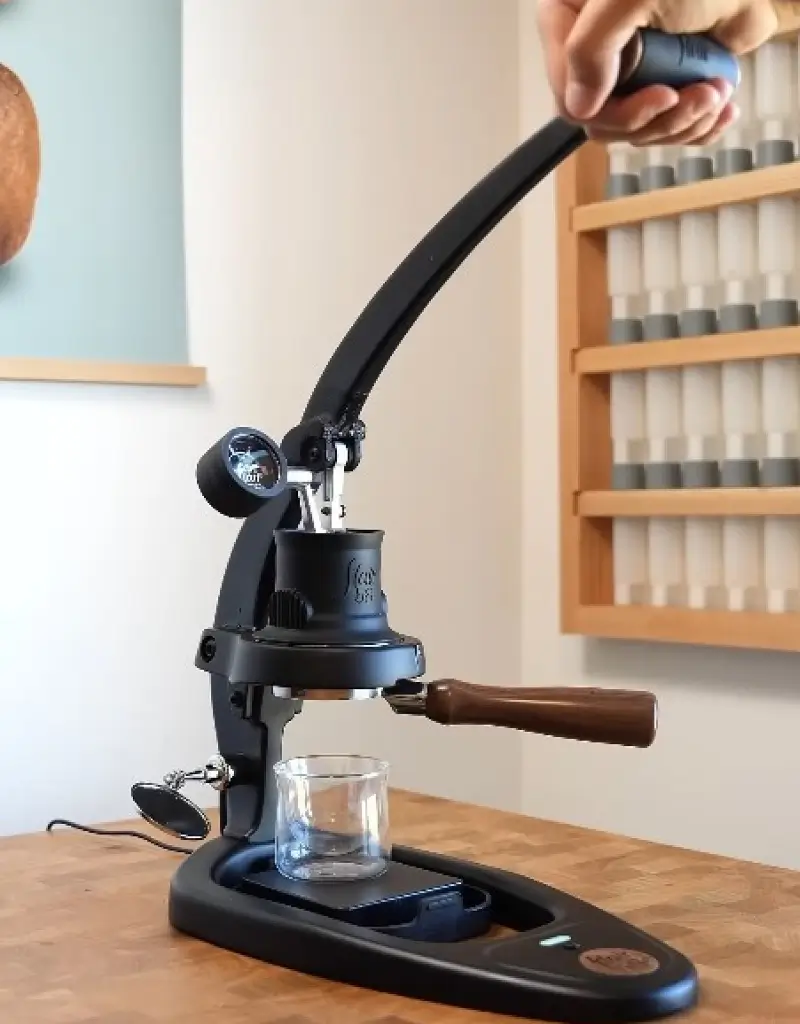
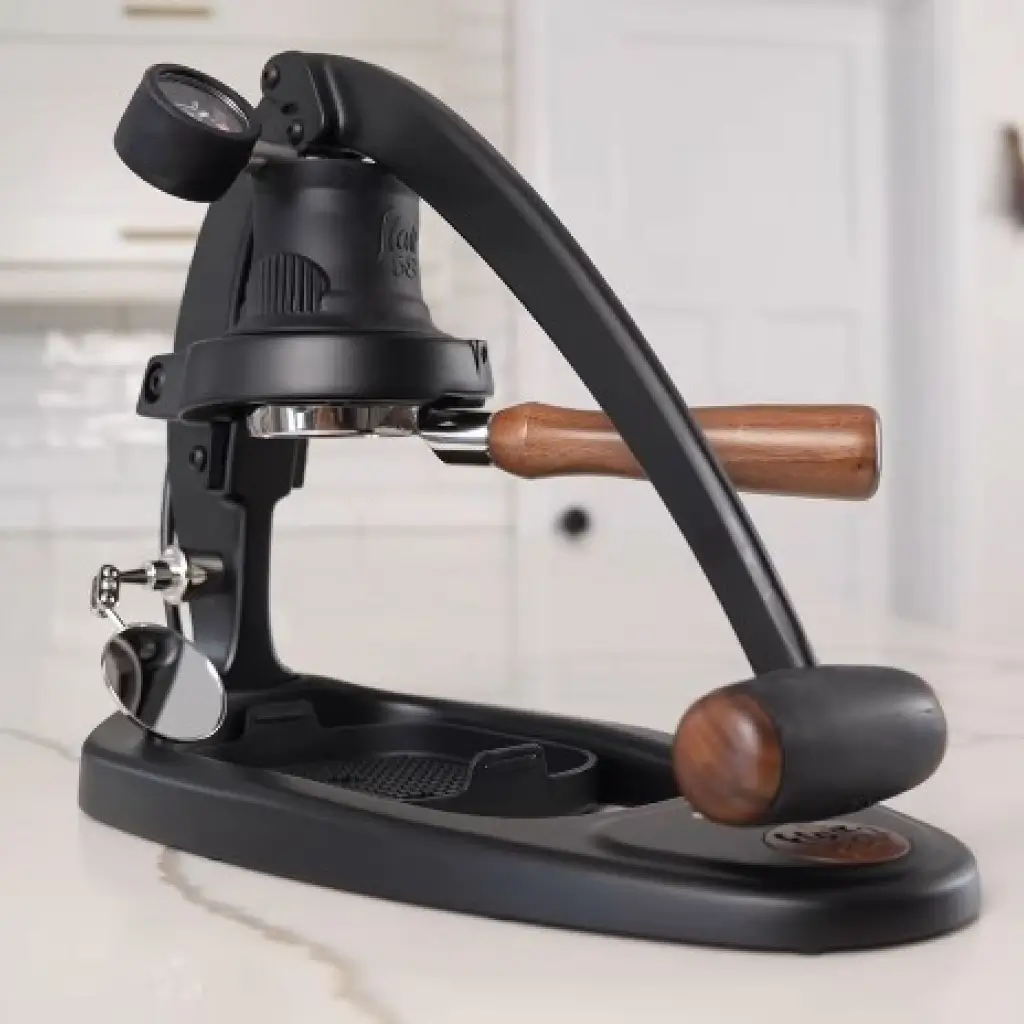
This is the machine that made serious baristas reconsider what’s possible with manual brewing. It uses the industry-standard 58mm portafilter, meaning you can use any commercial basket, tamper, or accessory. The game-changer? An electric heating element built right into the grouphead for thermal stability. No more temperature surfing, no more heat loss during extraction. It’s designed for professionals who want manual control without sacrificing consistency. The pressure profiling possibilities are endless.
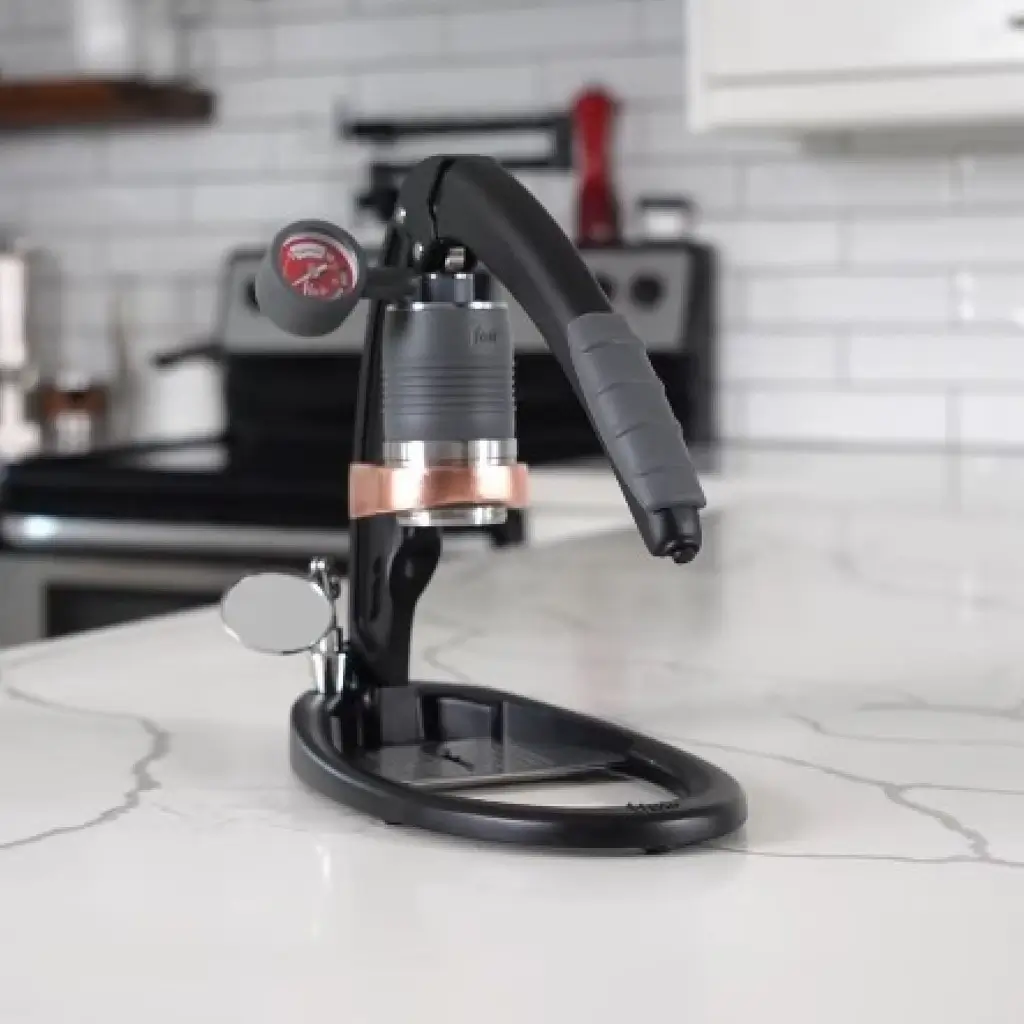
Marketed as the highest level of manual portable espresso machines, and it’s not just hype. Advanced features include a pressure gauge (crucial for dialing in), a silicone grip for comfort during those long pulls, and a large capacity cylinder. It’s the Swiss Army knife of portable espresso – capable, versatile, and built to last.
ROK EspressoGC Classic SmartShot:
Here’s something different – an elegant, eco-friendly design made of cast aluminum and steel. What I love about the ROK is its pressurized filter option, which means you can use any ground coffee and still get decent results. It’s forgiving for beginners but still capable of greatness in skilled hands. Plus, it comes with a 10-year guarantee on metal parts. That’s confidence.
Portable and Budget-Friendly Options
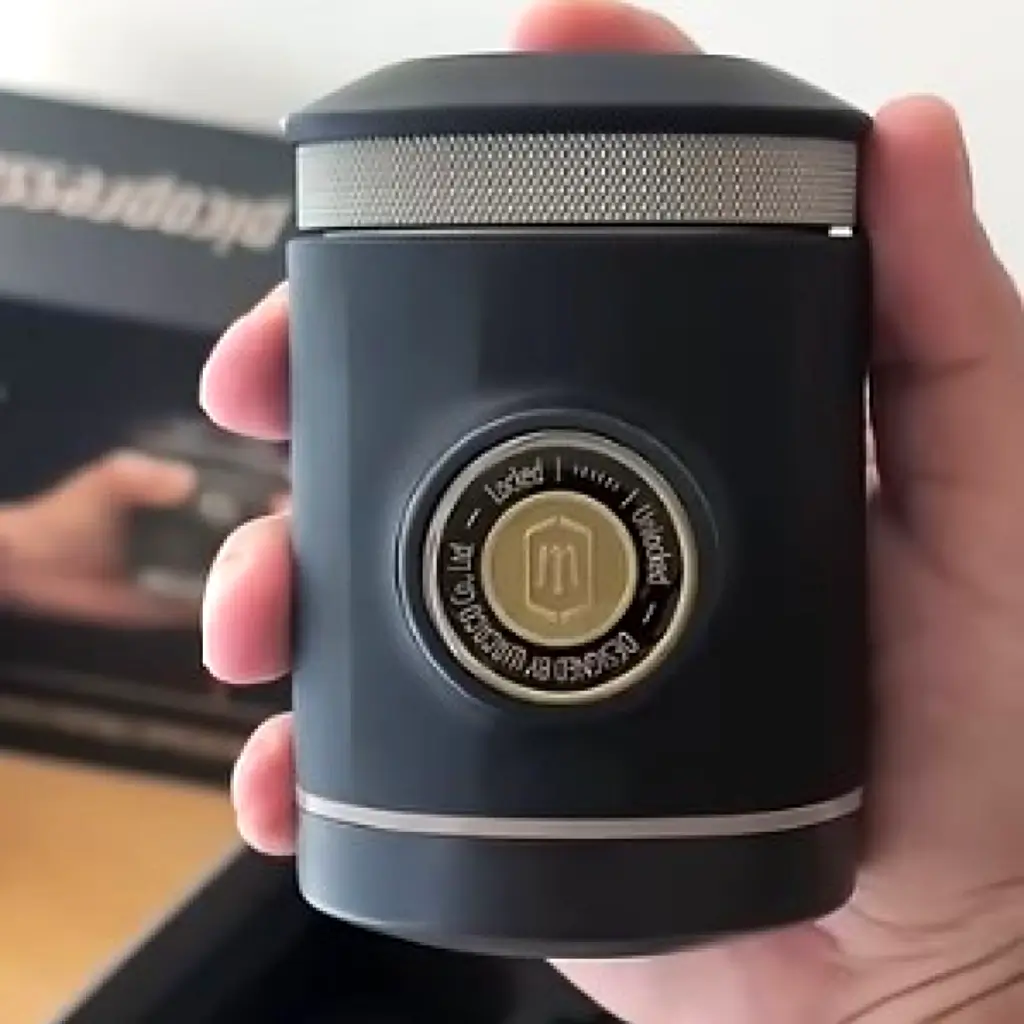
This little beast is super compact, but don’t let the size fool you. It’s got a double shot capacity (80ml) and generates up to 18 bars of pressure – that’s more than many commercial machines. It’s built for adventure – camping, backpacking, hotel rooms, office desks. Wherever you need espresso, the Picopresso delivers. Durable construction means it can handle being tossed in a backpack without complaint.
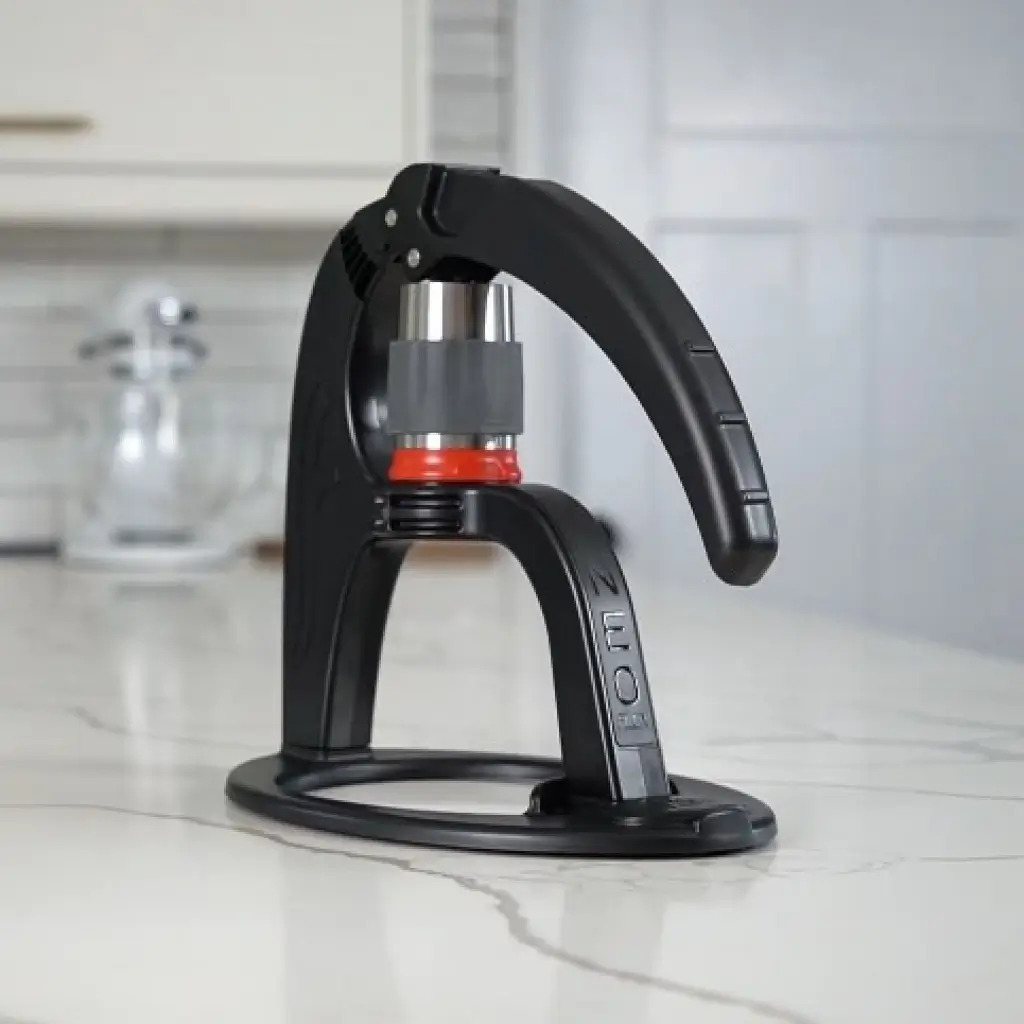
At $99.00, this is your gateway drug to manual espresso. It’s the most beginner-friendly and affordable option that still produces genuinely good coffee. Constructed of durable, lightweight polycarbonate, it offers two portafilter options – a flow-control version that’s forgiving of mistakes, and a bottomless 2-in-1 for when you’re ready to level up. This is where I tell beginners to start their journey.
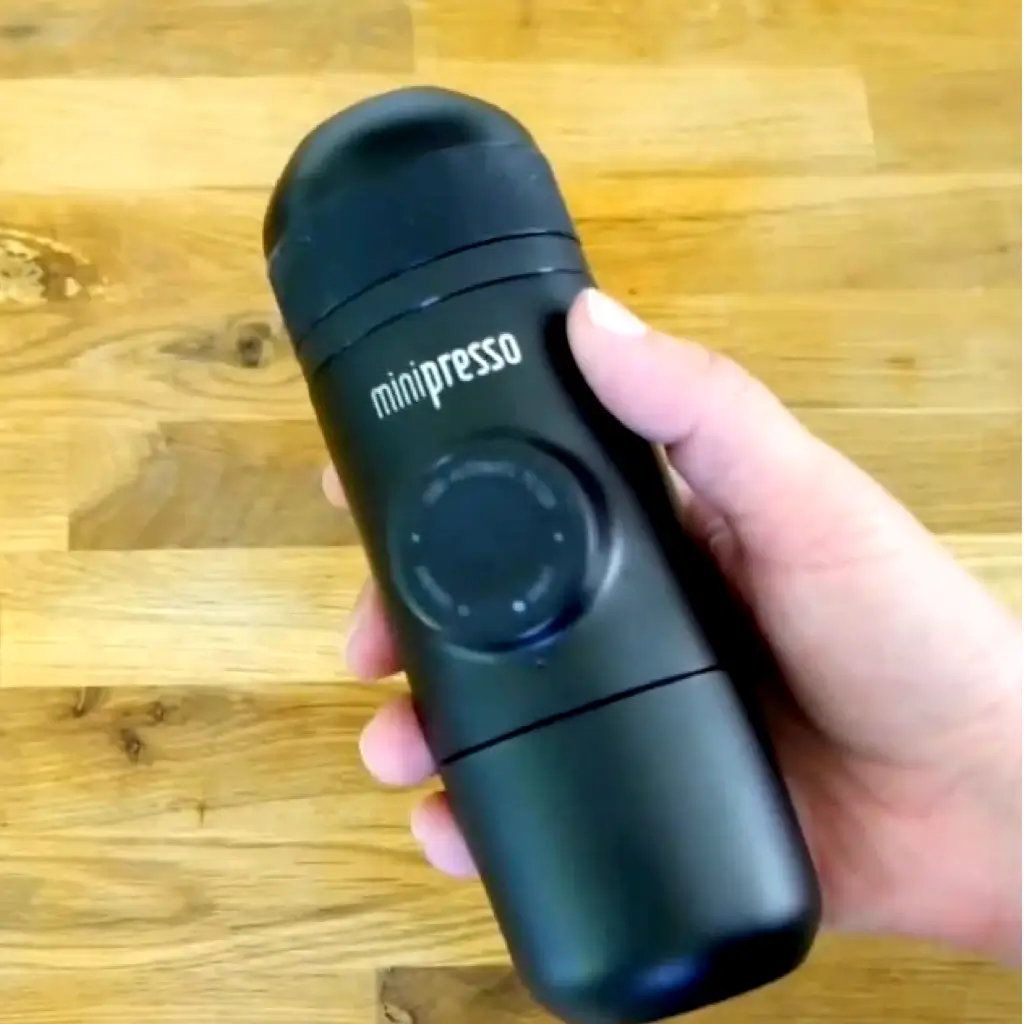
The ultimate minimalist setup. Portable pod design, lightweight, produces up to eight bars of pressure, and completely self-contained. It’s perfect for the person who wants espresso anywhere but doesn’t want to carry a whole coffee setup. Just add hot water and go.
Choosing Your Perfect Manual Machine: Essential Buying Criteria
Here’s the truth – the best manual espresso machine for you depends entirely on your situation. There’s no one-size-fits-all answer, and that’s beautiful. Let’s figure out what matters for YOUR coffee journey.
Key Decision Factors
1. Budget & Quality: Look, you can spend anywhere from $99 to several thousand dollars on a manual espresso machine. Generally, higher cost correlates with quality materials like stainless steel or brass, better heat retention, and improved longevity. But here’s the cool part – even budget models like the Flair NEO Flex can deliver genuinely excellent espresso if you dial in your technique. Start where you can afford, knowing you can always upgrade later.
2. Portability vs. Size: Are you a nomad or a homebody? If you need lightweight travel capability, look at Wacaco models or the Hugh Leverpresso. If you’ve got dedicated counter space and want something substantial that’ll become part of your kitchen’s soul, the Quick Mill or La Pavoni is calling your name. Think about your lifestyle honestly.
3. Required Skill Level (Ease of Use): Beginners, listen up – start with models that have flow-control or pressurized baskets like the Flair NEO Flex or ROK SmartShot. These are more forgiving of inconsistent grind size and tamping pressure. As you develop your skills, you can graduate to machines that demand more precision but reward it with superior results.
4. Key Features: Look for a pressure gauge if you’re serious about dialing in (it’s crucial for diagnostics). Consider whether you want a steam wand for milk drinks (La Pavoni models have this). Think about compatibility with standard accessories – the Flair 58’s 58mm portafilter means you can use the same tools as commercial machines.
Mastering the Manual Pull: A Step-by-Step Workflow
Alright, you’ve got your machine. Now comes the fun part – actually using it. Here’s your roadmap to café-quality espresso at home.
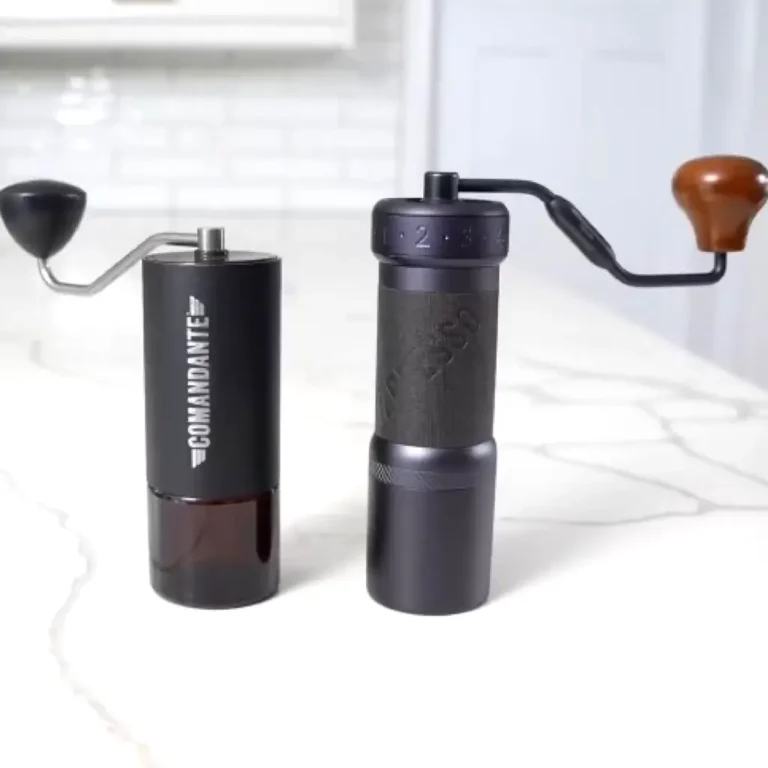
Prerequisite: Before we even start, you need a high-quality burr grinder. I’m not kidding – this is non-negotiable. Manual espresso machines require a fine, consistent grind that blade grinders simply cannot produce. Consider it the price of admission.
The 6 Steps to Café-Quality Espresso
1. Heat Water: Fill your kettle (preferably a gooseneck for control) with filtered water and heat it to 195-205°F (90-96°C). This range is your sweet spot for extraction. Too cool and you’ll under-extract (sour, weak). Too hot and you’ll over-extract (bitter, harsh). Temperature matters.
2. Grind: Grind fresh beans just before brewing – we’re talking seconds before, not minutes. The grind should feel like fine sand or table salt. This is where your burr grinder earns its keep. Consistency is everything.
3. Preheat: This step separates the amateurs from the artisans. Circulate hot water or use steam to preheat your brew chamber and portafilter. This prevents heat loss during extraction and ensures even temperature throughout the puck. Cold metal will steal heat from your water, leading to under-extraction.
4. Dose and Tamp: Use a scale to accurately measure your dose (typically 14-18g for a double shot). Distribute grounds evenly – I highly recommend using the WDT (Weiss Distribution Technique) with a thin needle or tool to break up clumps. Then tamp hard and level. You’re creating a uniform puck that water will flow through evenly.
5. The Pull: This is your moment. Start with soft pre-infusion – gentle pressure to wet the puck and allow it to expand slightly. Then apply steady pressure (aiming for 7 bars if you have a gauge) for the bulk extraction. The flow should resemble warm honey, not rushing water. Total extraction time should be 40-60 seconds from first drip to last. Taper off pressure at the end for a clean finish.
6. Evaluate: Taste immediately. Examine the crema – is it thick and tiger-striped? Good. Thin and blonde? You under-extracted. Dark and spotty? Over-extracted. Use these clues to make precise adjustments for your next shot. This is where the learning happens.
Essential Accessories for the Manual Barista
Your manual espresso machine is just the beginning. Here are the tools that’ll elevate your game:
Precision Tampers and Distribution Tools (WDT): Channeling is the enemy of even extraction. A quality tamper that fits your basket perfectly and a WDT tool to distribute grounds are crucial investments. They’re not optional if you want consistency.
Brewing Scales with Timers: You can’t manage what you can’t measure. A scale lets you dial in your dose precisely and duplicate great shots. The timer helps you track extraction time, which is critical for adjustments. Digital scales with 0.1g accuracy and built-in timers are your friend.
Milk Frothing Solutions: Since most manual espresso machines lack a steam wand, you’ll need alternatives for lattes and cappuccinos. The Nanofoamer is a battery-powered whisk that creates impressive microfoam. The Bellman Steamer is a stovetop option that produces steam-wand quality texture. Choose based on your milk drink frequency.
Freshly Roasted Beans: Here’s a hard truth – even the best manual espresso machine cannot compensate for stale, low-quality beans. Buy fresh (roasted within the last 2-4 weeks), store properly (airtight container away from light and heat), and grind immediately before brewing. This single change will improve your espresso more than any equipment upgrade.
Best Manual Espresso Machine FAQs
Is a manual espresso machine difficult to use?
Honestly? Yes and no. Manual machines definitely have a steeper learning curve than automatic machines. You’re managing variables like grind size, dose, tamp pressure, water temperature, and extraction pressure – all at once. It requires patience and practice, and your first dozen shots might be mediocre at best.
But here’s the thing – the process becomes intuitive and deeply rewarding with experience. It’s like learning to drive a manual transmission car or play a musical instrument. Awkward at first, but eventually it becomes second nature. And the journey of improvement is part of the appeal.
Can manual espresso makers achieve commercial pressure levels?
Absolutely. High-end portables like the Wacaco Nanopresso can generate 18 bars of pressure, and models like the Moocoo and Staresso can reach 20 bars. That matches or exceeds what commercial automatic machines produce.
The difference is consistency – a machine maintains steady pressure automatically, while you need to maintain it manually. But in terms of peak pressure capability, manual machines are more than capable of hitting professional standards.
What is the best manual espresso machine for a beginner?
I recommend either the Flair NEO Flex or the Wacaco Picopresso for beginners. The NEO Flex is incredibly beginner-friendly with its flow-control portafilter that forgives grind and tamp inconsistencies, plus it’s affordable at $99. The Picopresso is slightly more expensive but offers more precision and capability as you develop your skills.
Both are forgiving enough for beginners while still capable of producing excellent espresso. You won’t outgrow them quickly.
Are lever espresso machines better than piston-driven presses?
“Better” is totally subjective and depends on what you value. Lever machines offer a classic, tactile experience and the potential for nuanced pressure profiling. They’re beautiful, often made with premium materials, and have that vintage charm. However, they typically require more skill and careful temperature management.
Piston-driven presses are often more compact, easier to travel with, and can be more intuitive for beginners. They’re excellent for camping, office use, or small kitchens.
Neither is objectively better – they’re different tools for different situations and preferences.
Why prefer manual espresso machine benefits manual lever espresso?
The core benefit of a manual espresso machine is involvement. You’re not a button-pusher – you’re a participant in the creation process. This gives you:
- Complete control over every extraction variable
- Deep understanding of how coffee actually works
- Infinite customization for different beans and preferences
- Zen-like ritual that transforms daily coffee into meditation
- Cost savings compared to high-end automatics
- Durability with fewer parts to break
- Portability options that automatics can’t match
Manual lever espresso specifically adds tactile feedback, allowing you to feel the resistance of the coffee puck and adjust pressure in real-time. It’s the most intimate connection you can have with the brewing process.
Conclusion: Embrace the Craft of Manual Espresso
Here’s what it comes down to: A manual espresso machine offers unmatched flavor clarity and depth because you are directly involved in the art form. You can personalize every single shot to your exact preferences, experimenting with pressure profiles and extraction techniques that automatic machines can’t replicate.
But more than the technical advantages, there’s something transformative about the ritual. The sense of accomplishment after pulling a perfect shot manually turns your daily coffee from a caffeine delivery system into an engaging, thoughtful experience. It’s meditation, craftsmanship, and self-expression all in one steaming, aromatic cup.
Whether you’re starting with a budget-friendly Flair NEO or investing in a premium Quick Mill Achille, you’re choosing to be present, to learn, to grow as a barista. That’s the real magic of manual espresso – it transforms you as much as it transforms coffee.
Now go forth, pull some shots, and remember: every barista starts with a bad shot. The difference is, the ones with manual espresso machines learn exactly why and how to fix it. That knowledge is priceless.